
How AI is Changing SEO in Singapore
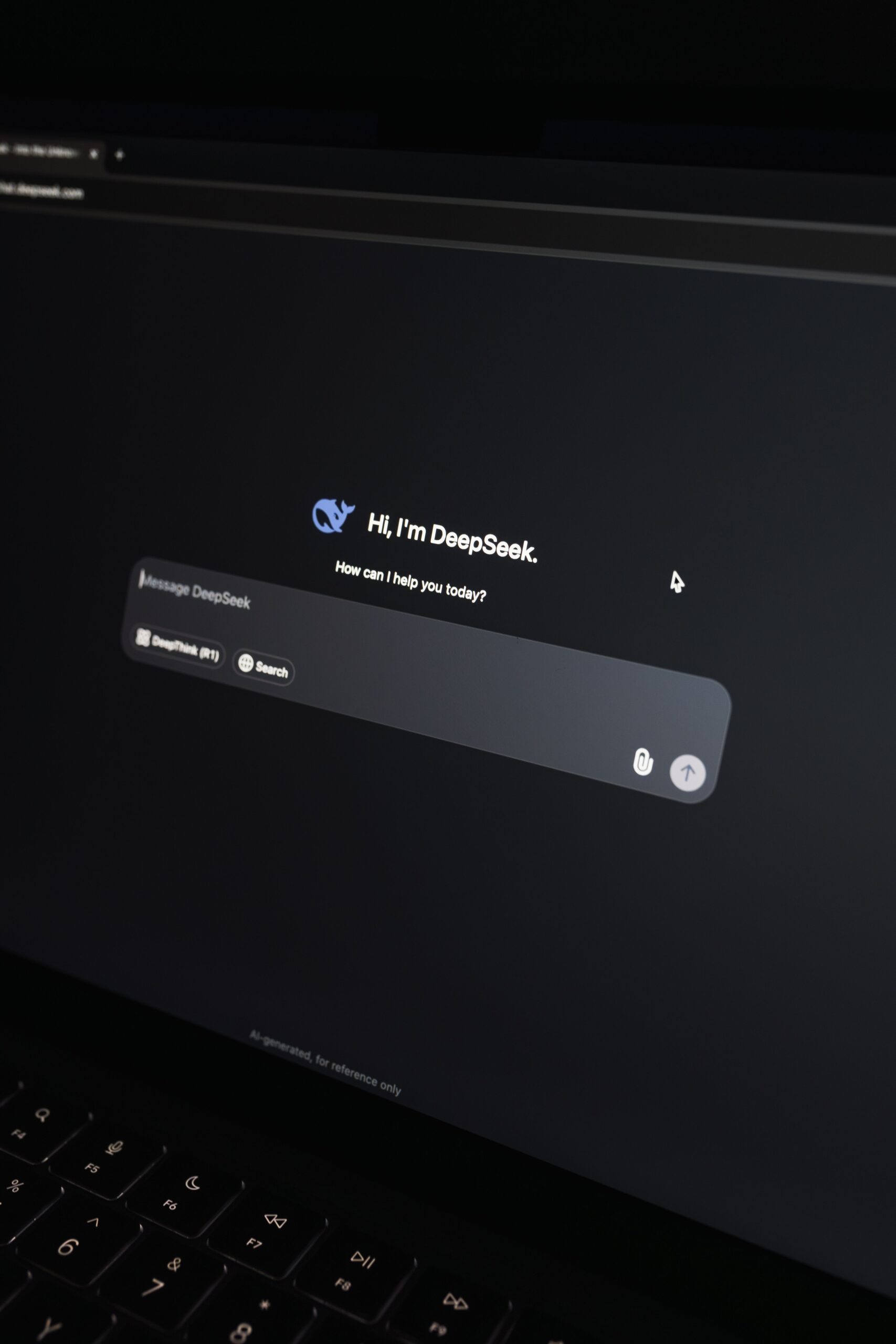
Quick answerAI is changing SEO in Singapore by shifting some searches away from traditional blue links toward AI-generated answers in tools like Google AI Overviews and ChatGPT. Businesses now need to be cited or drawn from within those answers, not just ranked, which means content has to be clearer, better structured, and genuinely trustworthy.
Search has quietly split into two parallel tracks, and most Singapore business owners have not fully clocked it yet. There is still the classic experience of typing a query into Google and scanning a list of blue links. But a growing share of searches now surface an AI-generated summary above those links, or bypass Google entirely when someone asks ChatGPT instead. Understanding how AI is changing SEO in Singapore matters because the two systems reward similar underlying qualities, well-structured, credible, genuinely useful content, but they are not identical, and a business optimised purely for old-style rankings can still miss out on being cited in AI answers. This post breaks down what has actually changed, what has not, and what a Singapore SME should realistically do about it in practical, unhyped terms, without assuming a marketing background. Our AI SEO service was built specifically around this shift, treating it as one connected discipline with traditional search rather than a separate, bolted-on offering.
What "AI Is Changing SEO" Actually Means in Practice
It helps to be precise about what is actually happening, because the phrase gets thrown around loosely. Google's AI Overviews (AI-generated summaries shown above traditional search results for many queries) pull from a mix of top-ranking pages and Google's own knowledge systems to construct a direct answer. Separately, tools like ChatGPT and other AI assistants increasingly search the web live or draw on training data to answer questions directly, sometimes citing sources, sometimes not.
For a business, this creates a new kind of visibility that sits alongside traditional rankings rather than replacing them. Being cited, drawn from, or appearing in an AI-generated answer (never described as "ranking" in an AI answer, since that is not how these systems work) is a different outcome from holding position one on a search results page, though the two are correlated. A page that is clear, well-structured, directly answers a specific question, and comes from a credible, well-linked source is more likely to be pulled into both traditional rankings and AI-generated summaries.
What has not changed is the underlying need for genuinely useful content and technical soundness. AI systems are not rewarding thin, keyword-stuffed pages any more than Google's classic algorithm ever did. If anything, the bar for clarity and directness has gone up, since AI systems are effectively summarising your content on your behalf, and a confusing or poorly structured page is harder to summarise accurately.
It is worth being precise about the mechanics here, since a lot of confusion comes from treating "AI search" as one single thing. Google's AI Overviews are still fundamentally powered by Google's existing search index and ranking systems, meaning a page needs to already be crawlable and reasonably well-ranked to have a realistic shot at being pulled into a summary. Standalone AI assistants like ChatGPT work differently depending on whether they are searching the live web for a given query or drawing on previously trained knowledge, which means consistency and prior visibility across the web, not just your own website, plays a role too. Neither system rewards a business that has done nothing beyond wishing to be included.
Why This Matters More for Singapore SMEs Than You Might Think
It is tempting to assume AI-answer visibility is a concern only for large brands or global categories, but that is backwards for a market like Singapore. Local searches, "best dentist near Toa Payoh," "affordable renovation contractor Singapore," "dog-friendly cafes in the East," are exactly the kind of specific, answerable questions that AI tools handle well. If a business is not structured to be easily understood and cited by these systems, it risks becoming invisible in a growing slice of how people research local decisions.
Multilingual considerations add another layer specific to Singapore. With a population searching in English, Mandarin, Malay, and Tamil, and AI tools handling cross-language queries increasingly well, businesses that only optimise content in one language may be missing citations in answers generated for searches in another. Our multilingual SEO work addresses this directly for businesses serving Singapore's genuinely multilingual customer base.
Most agencies will tell you AI-answer visibility is a future problem to worry about later. That advice frequently backfires, because early movers in any given local category tend to become the default source AI systems draw from once a pattern of citation is established, similar to how early, consistent backlink building compounded advantage in classic SEO. Waiting does not preserve optionality, it just hands that advantage to whichever competitor moves first.
How to Actually Optimise for AI-Answer Visibility
There is no separate, secret playbook for AI-answer visibility that discards everything known about good SEO. Instead, certain practices matter more now than they used to. The way we approach AI visibility is to treat it as an extension of good SEO, not a separate discipline.
- Answer questions directly and early on the page. AI systems favour content that states a clear answer near the top, then elaborates, rather than burying the answer under paragraphs of preamble.
- Use clear structure: headings, short paragraphs, and lists make content easier for both readers and AI systems to parse and summarise accurately.
- Build genuine topical depth. A page that thoroughly covers a subject, rather than skimming it, is more likely to be treated as a credible source to draw from.
- Maintain factual accuracy and freshness. Outdated or incorrect information is a liability in AI-generated answers just as it damages trust with human readers.
- Keep strong technical fundamentals. Fast-loading, mobile-friendly, properly structured pages remain foundational, since AI systems still rely heavily on crawlable, well-indexed content.
The way we approach this at SAS treats AI-answer visibility as part of the plan from day one rather than a separate add-on service considered only after traditional rankings are addressed. Our five-phase process folds it into the same audit, keyword mapping, and content standard used for classic SEO, because in practice the two overlap far more than they diverge. Our process begins by checking whether a page answers its main question in the first two sentences, since AI answer engines often lift that text.
What Hasn't Changed (and Why That Matters)
Amid genuine shifts, it is worth being explicit about what has stayed constant, because overcorrecting toward "AI everything" can be as costly as ignoring it entirely. Traditional Google search still drives the overwhelming majority of commercial search traffic for most Singapore SMEs. Backlinks (links from other credible websites) still matter as a trust signal for both classic rankings and AI systems that weigh source credibility. Local SEO fundamentals, an accurate Google Business Profile, consistent business citations, genuine customer reviews, remain just as important, since AI tools frequently draw on the same local business data that powers Google Maps and local pack results.
Field notesA pattern worth watching for across Singapore SME sites: businesses that have strong, well-earned Google reviews and a properly categorised Google Business Profile tend to show up more consistently in AI-generated local recommendations, since these systems often lean on the same structured local data that powers traditional map results. Getting the fundamentals right still does most of the heavy lifting, AI-answer visibility builds on that foundation rather than replacing it. This is the same foundation-first work behind our veterinary case study, where getting local signals right this way was part of a campaign that grew organic traffic 131% in 4 months. We've seen this pattern hold across the Singapore SME sites we look at regularly: the businesses with clean, consistent local data are the ones AI answer tools cite most often.
This is why chasing AI-answer visibility as an isolated tactic, disconnected from solid on-page, technical, and local SEO work, rarely produces durable results. The businesses seeing genuine gains are the ones treating it as one additional layer on top of fundamentals that were already sound.
It is worth adding a note of realistic caution here too. AI-answer visibility is genuinely harder to measure than traditional rankings, since there is no single, universally trusted tool that reports citation frequency across every AI platform the way rank trackers do for Google. Any agency claiming precise, guaranteed AI-answer results should be treated with the same scepticism as one guaranteeing a specific Google ranking position. What can be reasonably measured and improved is the underlying quality and structure of your content, which is the honest lever available today.
| Search behaviour | Traditional SEO focus | AI-answer visibility focus |
|---|---|---|
| What is being optimised for | Ranking position on results page | Being cited or drawn from in a generated answer |
| Content structure priority | Keyword relevance, headings | Direct, early answers plus clear structure |
| Trust signals used | Backlinks, domain history | Backlinks, source credibility, factual accuracy |
| Local relevance | Google Business Profile, citations | Same local data, plus structured, answerable content |
| Timeframe to see change | 3 to 6 months typically | Still emerging, varies by query and platform |
Illustrative example: Consider a general pattern seen across Singapore service businesses: a company with a well-optimised Google Business Profile and a handful of genuinely informative, clearly structured service pages is more likely to be referenced when someone asks an AI assistant a locally specific question, such as which providers exist in a particular neighbourhood, compared to a business with only a thin homepage and no supporting content. This reflects a broader industry pattern, not a specific measured SAS result, since AI-answer visibility is still an emerging and evolving area across the industry.
Practical First Steps for Singapore SMEs This Year
Faced with all of this, most business owners want a starting point rather than a list of abstract principles. A few practical steps make sense regardless of industry or current website condition.
First, test your own visibility manually. Ask ChatGPT or check Google's AI Overviews for a handful of questions your customers would realistically search, and see whether your business, or any competitor, gets referenced. This costs nothing and gives an honest baseline before spending on anything.
Second, audit your Google Business Profile thoroughly. Confirm categories are accurate and specific rather than overly broad, photos are current, and your business description clearly states what you do and where you serve customers. This single step tends to influence both local map visibility and AI-generated local recommendations.
Third, review your existing content for directness. Pages that bury the actual answer under several paragraphs of preamble are harder for both human readers and AI systems to use efficiently. Rewriting key pages so the core answer appears clearly near the top is one of the more accessible improvements available without a full content overhaul.
Fourth, do not abandon traditional SEO fundamentals in pursuit of AI-answer visibility specifically. Site speed, mobile usability, clear internal linking, and consistent publishing remain the foundation everything else builds on. Our content marketing service and SEO consulting work both fold AI-answer readiness into the same underlying process rather than treating it as an isolated project, and our published case studies show the kind of patterns this approach tends to produce across different industries.
Finally, treat this as an ongoing area to monitor rather than a one-off fix. The tools, platforms, and behaviours here are still evolving quickly, and a business that checks in periodically will adapt faster than one that optimises once and assumes the job is done.
Conclusion
How AI is changing SEO in Singapore comes down to one central shift: visibility now spans both traditional rankings and AI-generated answers, and the businesses treating these as one connected system rather than two separate problems are better positioned either way. The fundamentals that always mattered, clarity, credibility, and technical soundness, still matter most. If you want to understand where your own site stands across both, talk to us about what a combined SEO and AI-answer visibility review would look like for your business.
Frequently Asked Questions
How is AI changing SEO in Singapore right now?
AI is changing SEO by introducing a second layer of visibility, being cited or drawn from in AI-generated answers, alongside traditional search rankings. Google's AI Overviews and tools like ChatGPT now answer many queries directly, which means businesses need content that is clear and credible enough to be pulled into those answers, not just ranked on a results page.
Do businesses "rank" in AI answers the same way they rank on Google?
Not exactly. AI-generated answers do not use a ranked list of positions the way a traditional search results page does. Instead, a business is either cited, drawn from, or referenced within an answer, or it is not. The goal is different from chasing a specific ranking position.
Will AI Overviews reduce website traffic for Singapore businesses?
For some informational queries, yes, since a user may get their answer directly without clicking through. For queries closer to a purchase decision, click-through often remains strong, since people still want to compare options directly on a business's own site before deciding.
Is traditional SEO still worth investing in given AI search growth?
Yes. Traditional Google search still accounts for the large majority of commercial search traffic in Singapore, and the content and technical work that supports classic rankings also underpins AI-answer visibility. The two are complementary, not competing investments.
How do I know if my business is being cited in AI answers?
This is harder to track than traditional rankings, since there is no single dashboard covering every AI platform. Manually testing relevant queries across tools like ChatGPT and Google's AI Overviews, and monitoring referral patterns in your website analytics, are practical starting points.
Does AI-answer visibility require completely different content from SEO content?
No. The overlap is substantial. Clear, well-structured, genuinely useful content that directly answers a question tends to perform well for both traditional rankings and AI-answer citation. The main shift is prioritising directness and clarity even more than before.
Should small Singapore businesses worry about AI search right now?
It is worth addressing as part of an ongoing SEO strategy rather than ignoring it, but it should not come at the expense of fundamentals like local SEO and technical soundness. Businesses with strong basics are generally better positioned to benefit from AI-answer visibility as it continues to develop.
How does multilingual content factor into AI-answer visibility in Singapore?
Singapore's multilingual population means AI tools handle queries in English, Mandarin, Malay, and Tamil, and businesses with content only in one language may miss citations in answers generated for searches in others. This is a growing consideration for businesses serving a broad Singapore customer base.
What is the biggest mistake businesses make with AI SEO?
Treating it as a completely separate initiative from traditional SEO, rather than one connected strategy. Chasing AI-answer visibility while neglecting fundamentals like site speed, clear content structure, and a properly optimised Google Business Profile rarely produces lasting results.
How long does it take to see AI-answer visibility improve?
This is still an emerging and evolving area, and timelines are less established than for traditional SEO. Businesses that already have strong fundamentals in place tend to see change sooner, since AI systems draw heavily on the same well-structured, credible content that already supports classic search rankings.
Does AI-answer visibility cost more than traditional SEO to set up?
Not necessarily. Since much of the underlying work overlaps with strong content and technical SEO practices, folding AI-answer visibility into an existing SEO plan is usually more efficient than budgeting for it as a completely separate project. Our pricing structure reflects this combined approach rather than charging for AI-answer work as an unrelated add-on.
How can I learn more about how your agency approaches AI SEO specifically?
The clearest way is to look at our stated methodology directly rather than relying on general claims. Our about page explains how we work, and our AI SEO service page details how AI-answer visibility fits into the same audit and content process used for traditional rankings, rather than being treated as a separate, bolted-on offering.
Are AI Overviews and ChatGPT answers the same thing?
No. Google's AI Overviews are generated within Google search itself and draw heavily from Google's existing index of ranked pages. ChatGPT and similar assistants are separate products that may search the live web, rely on training data, or both, depending on the tool and query. A business aiming for visibility across both needs content that is well-indexed by Google and clearly structured enough to be useful to an AI assistant reading it independently.
Want a second read on your current SEO?
We will look at what is holding the site back and tell you what we would do first. No obligation, and you keep the findings either way.
Get your free SEO audit